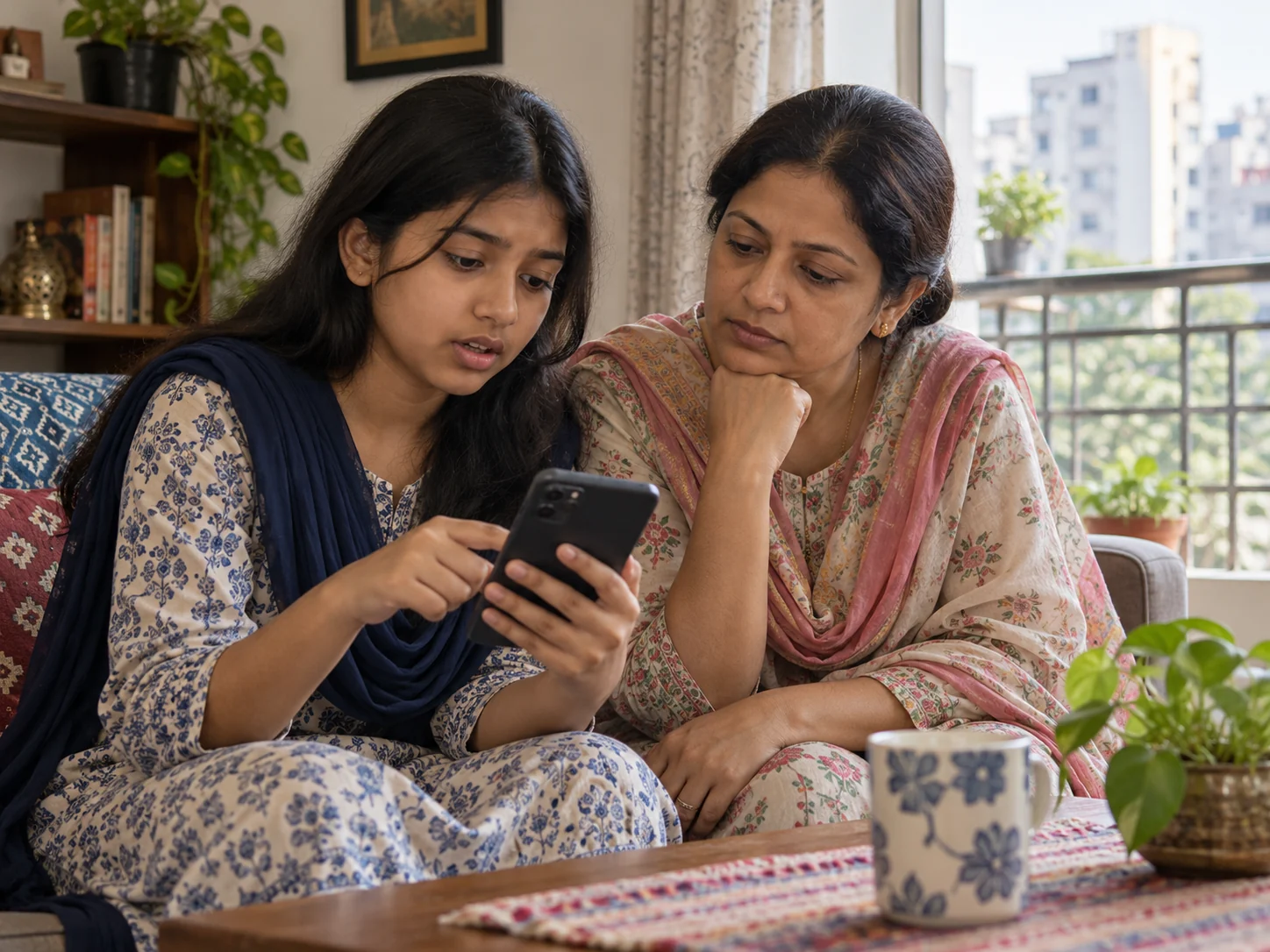
A practical guide from the ChayaNetwork team for the moments when family life and the online world meet.
Where betting can show up
Children may encounter betting links through ads, influencers, group chats, game-like apps, or promises of quick money. Some games also use chance-based rewards and in-app purchases. These are not all the same thing, but each can make spending or risk-taking feel normal.
Notice changes without turning them into proof
Unexplained spending, secrecy around an account, urgent requests for money, or unusually persistent betting talk are reasons to ask what is happening. None proves a child is gambling. Keep the first conversation curious: “I noticed a payment I didn’t recognize. Can you walk me through it?”
A practical family response
- Review app store purchases and payment methods together.
- Require approval for purchases and remove saved payment details from a child’s device where appropriate.
- Talk about odds, paid rewards, and the fact that “almost winning” is still a loss.
- Use age ratings and device or store controls as support, then check what they actually cover.
Do not shame a child for telling you. If money has been taken or someone is pressuring them, save relevant messages and contact the platform or payment provider.
If a stranger is involved
Tell your child not to send more money, codes, photos, or personal details. Preserve messages and account names before blocking or reporting. If there are threats, extortion, or immediate danger, seek help from local authorities or a trusted child-protection service.
Good digital habits grow through small, repeatable steps.