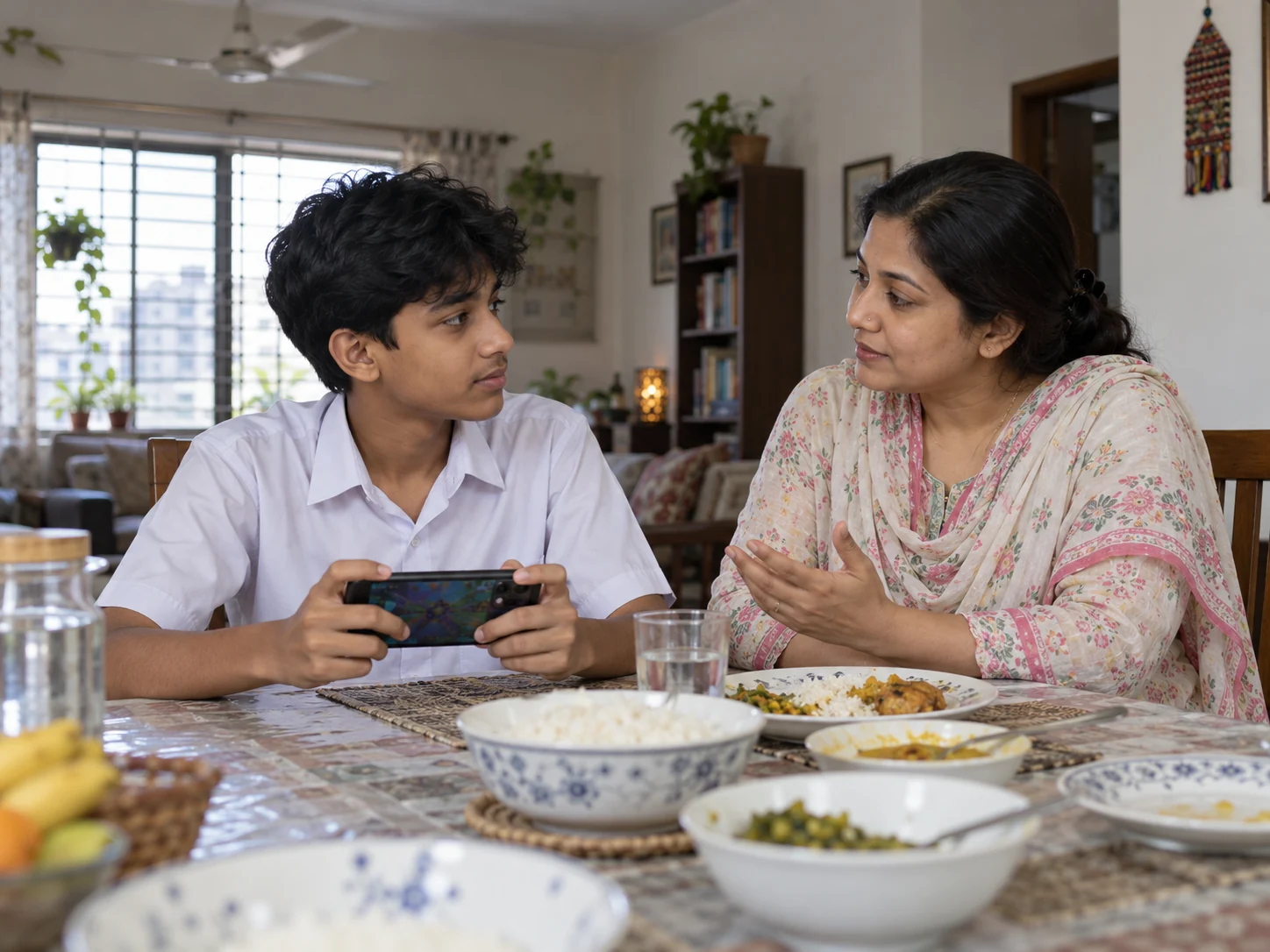
A practical guide from the ChayaNetwork team for the moments when family life and the online world meet.
Look at the pattern, not only the hours
Gaming can offer fun, creativity, teamwork, and friendships. A useful question is whether it is consistently getting in the way of sleep, schoolwork, movement, or relationships. One hard-to-end session is different from a pattern that is harming daily life.
Set rules before the match begins
Agree on the start and finish time before a game, not while a child is in the middle of a team match. Decide what happens on school nights, where devices charge overnight, and how in-game purchases are handled. Make the rule predictable and apply it consistently.
- Use a warning before the agreed stop time.
- Protect bedtime and meals first.
- Keep payment approval with an adult.
- Leave room for gaming as one activity among several.
Make the plan collaborative
Ask your child what would make stopping easier and what they would choose to do after gaming. A family media plan can help turn vague arguments into clear routines; the AAP provides a tool families can adapt: American Academy of Pediatrics: Family Media Plan.
If gaming is causing serious distress
Repeated sleep loss, falling school participation, withdrawal from other activities, or severe conflict deserves a calm conversation with your child and, when needed, a pediatrician or qualified mental-health professional. Avoid diagnosing a child from screen time alone.
Good digital habits grow through small, repeatable steps.