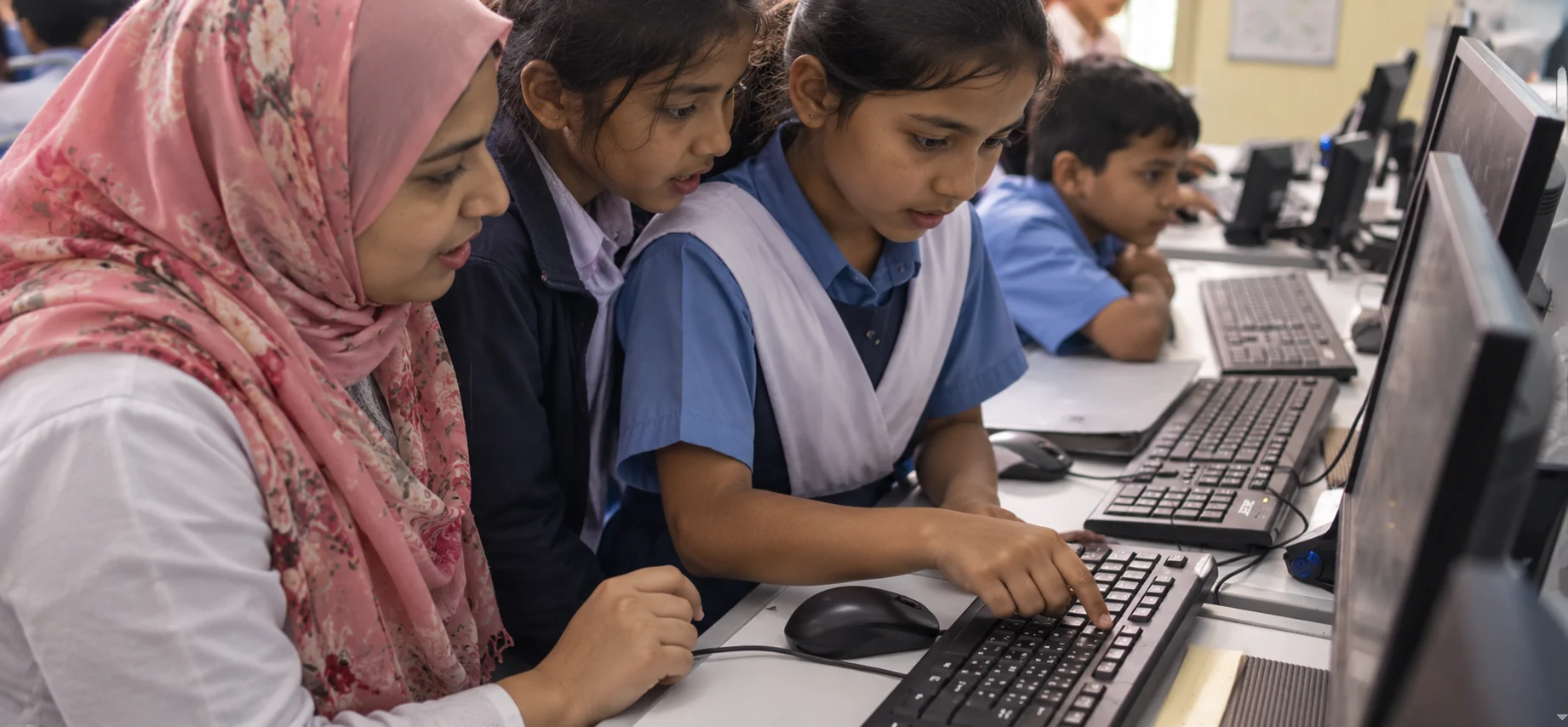
A practical guide from the ChayaNetwork team for the moments when family life and the online world meet.
Start with the risks your child actually encounters
Children in Bangladesh use shared phones, school devices, home Wi-Fi, and mobile data in different ways. The relevant risks depend on the child’s age, apps, language, and who can contact them. Ask which apps they use and where they go for help before making assumptions.
A family checklist
- Use unique passwords and two-step verification on important accounts.
- Review profile visibility, location sharing, and who can send messages.
- Talk about fake prize offers, urgent payment requests, and requests for verification codes.
- Ask children not to share school, address, phone number, or travel details publicly.
- Set a simple rule: if anyone asks for secrecy, money, or private images, tell a trusted adult.
Choose help that fits the problem
For a platform issue, report it in the app and preserve relevant details. For immediate danger or exploitation, contact appropriate local emergency or child-protection services. Keep current contact information from official sources; service availability and processes can change.
Make disclosure easier than silence
Tell your child that mistakes do not cancel your support. UNICEF’s family guidance centers conversation, clear ground rules, and trust: UNICEF: keeping your child safe online. Those habits work alongside privacy settings and technical safeguards.
Good digital habits grow through small, repeatable steps.